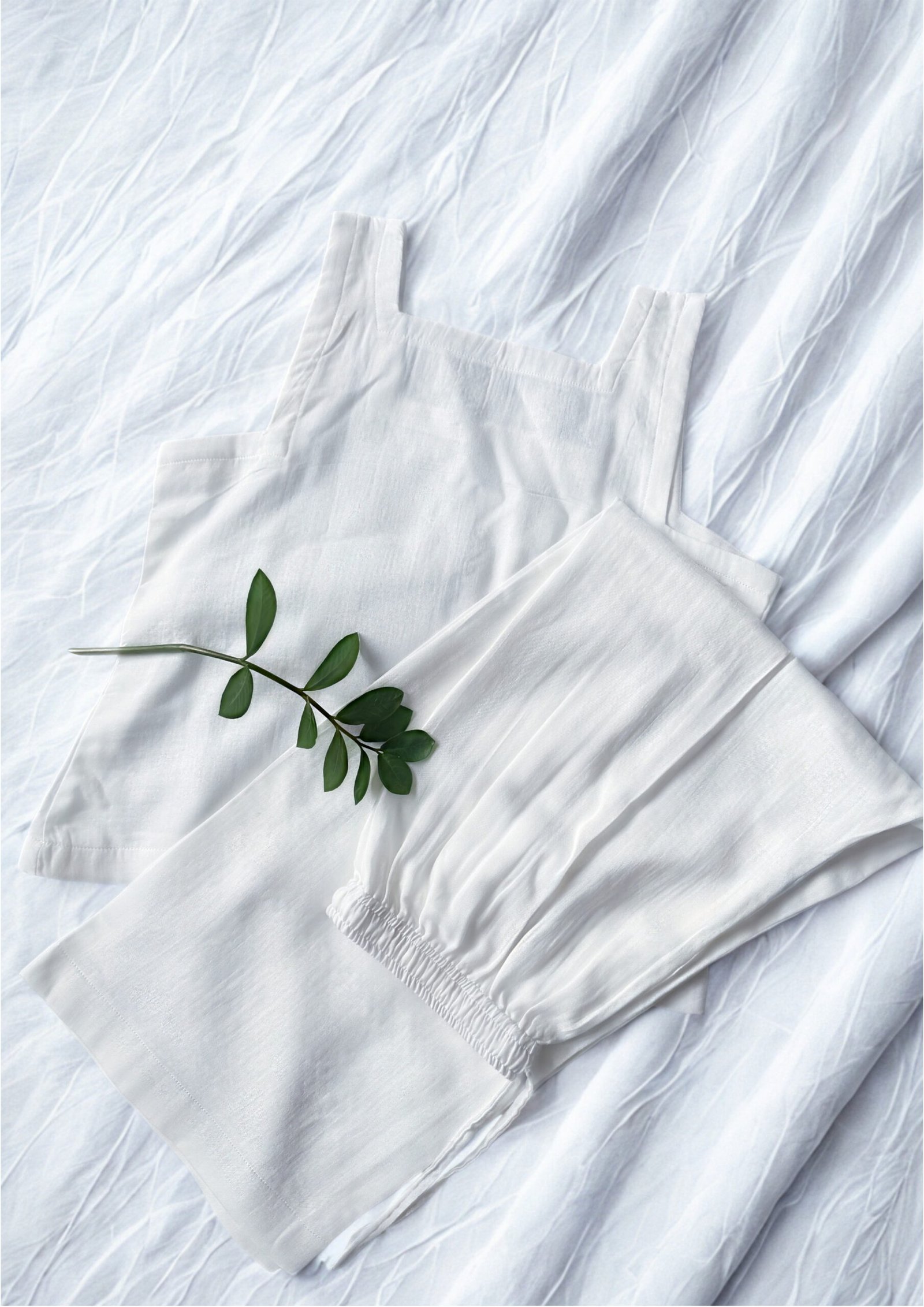
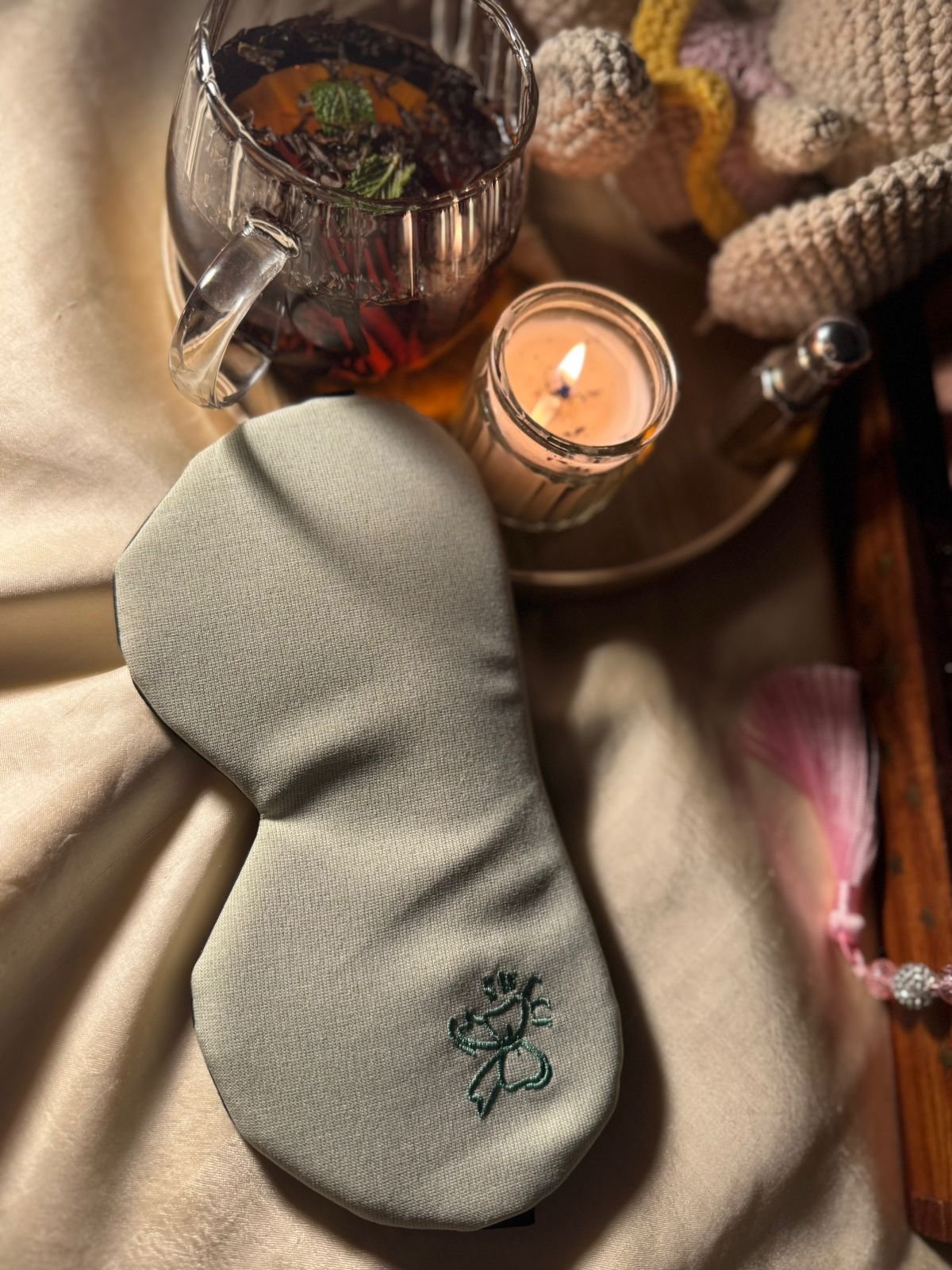
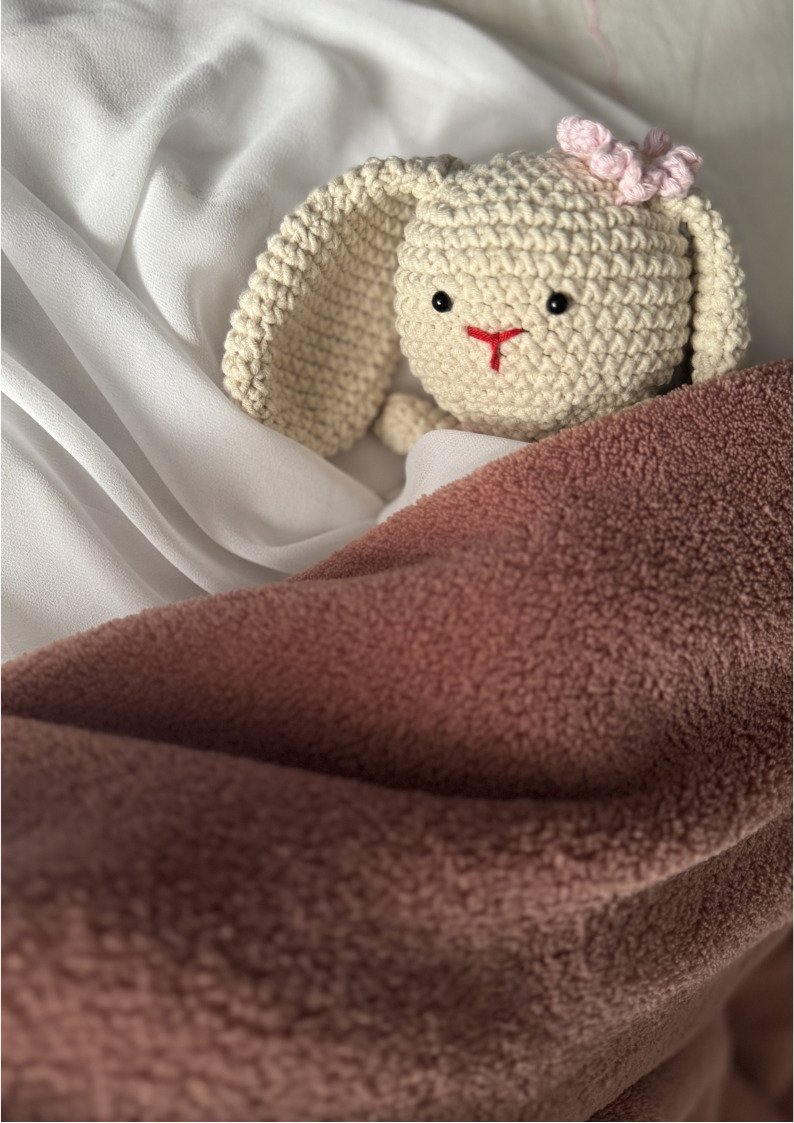
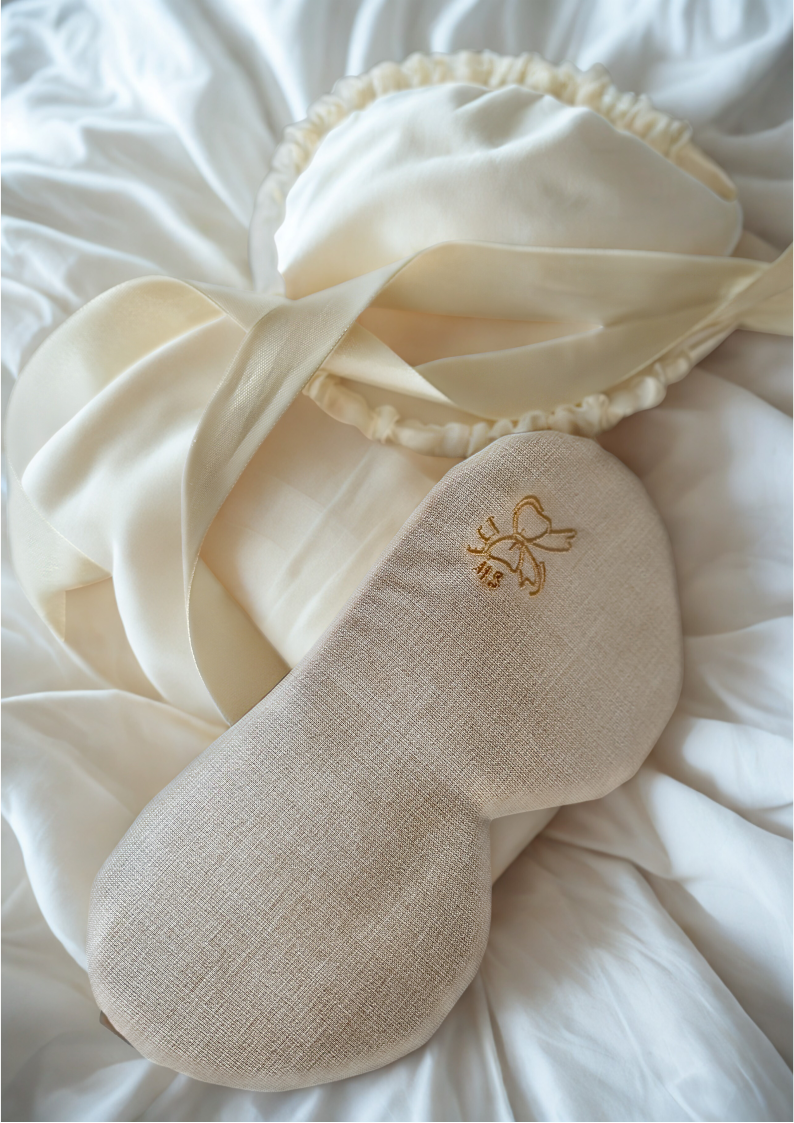
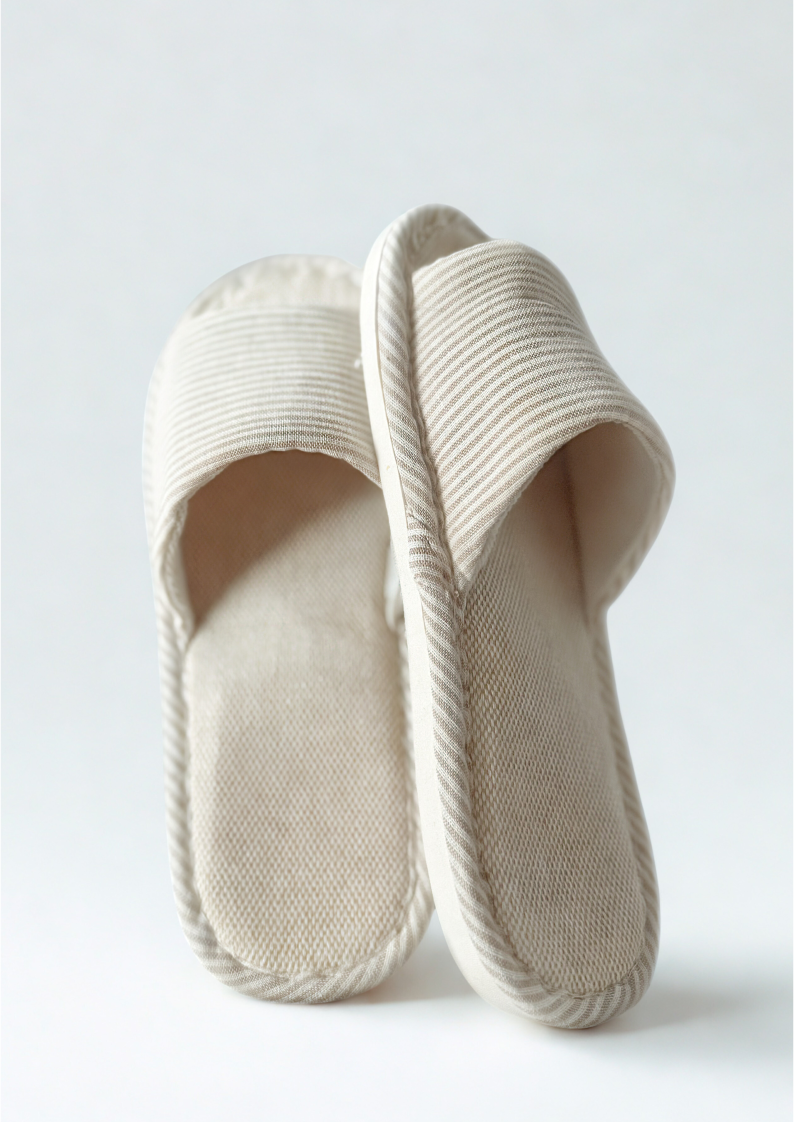
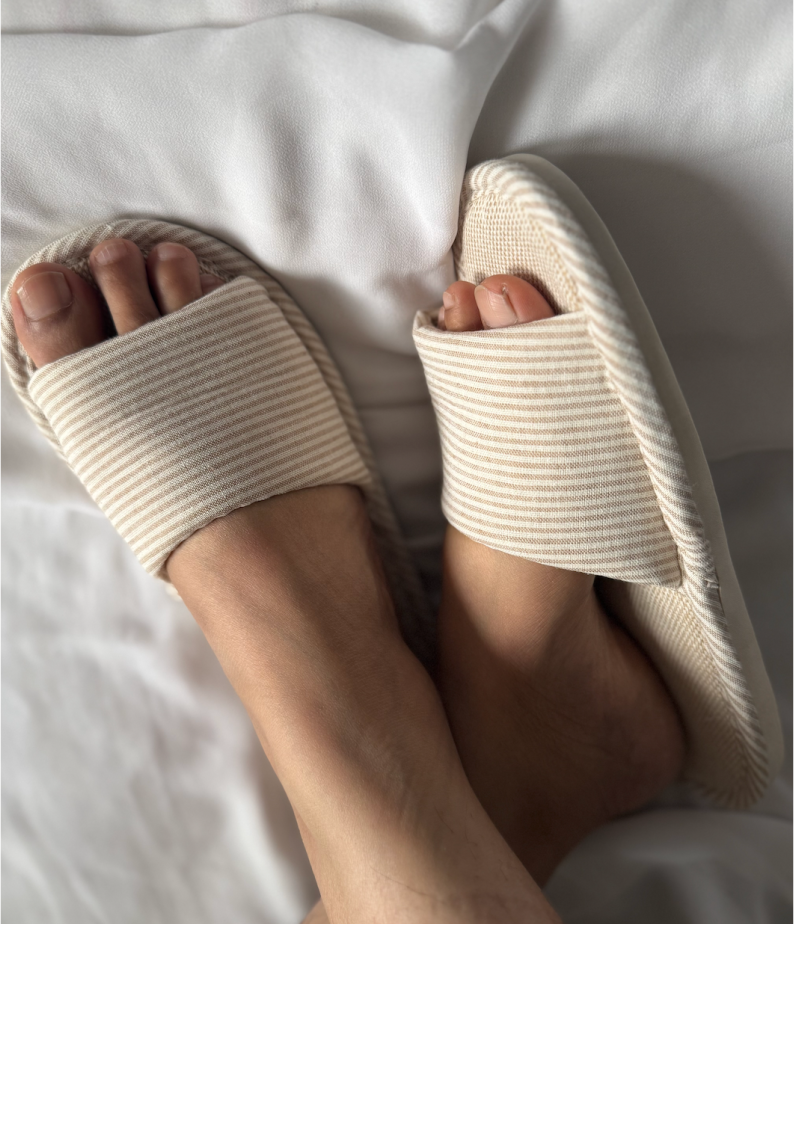
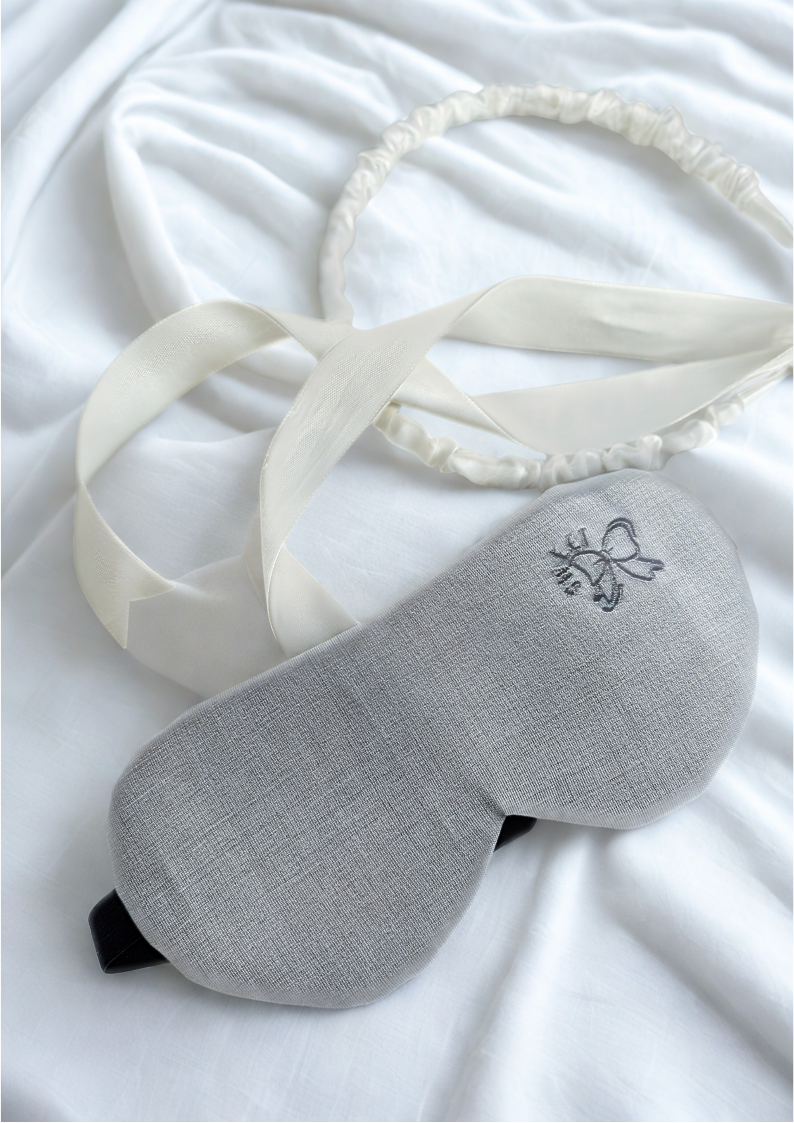
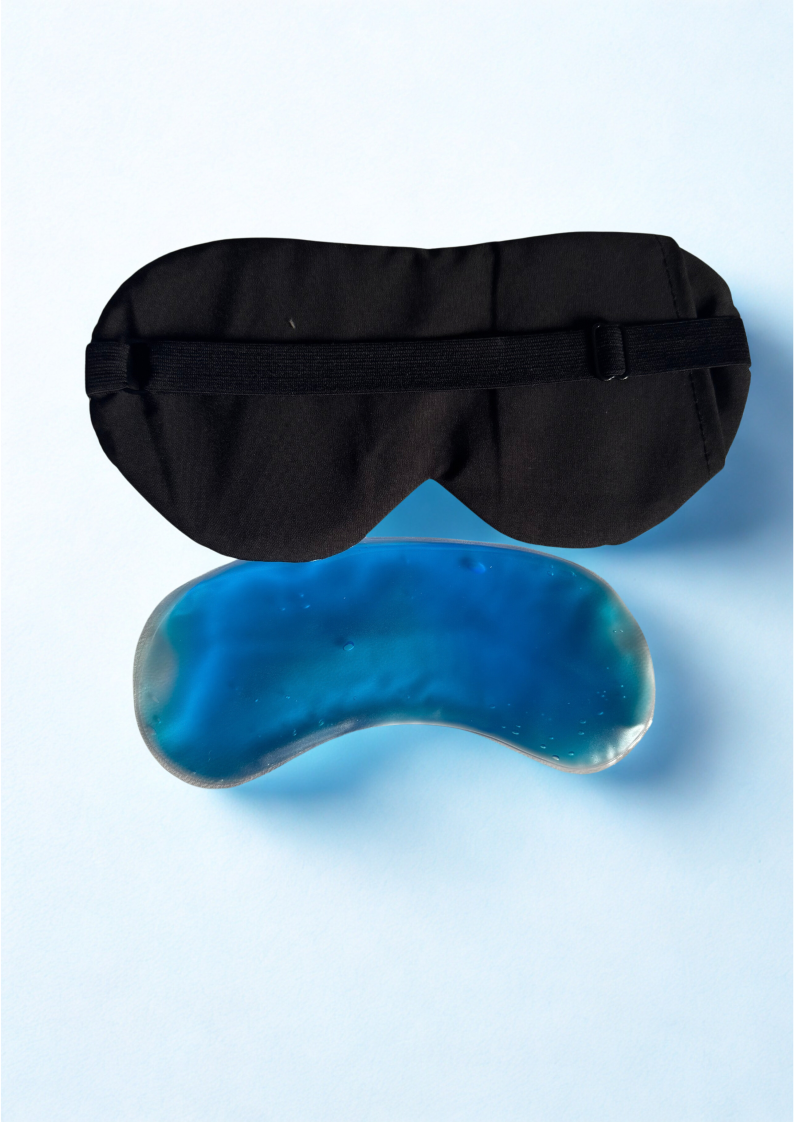
A peek into the natural, breathable fabric you’ll fall asleep in.
Bamboo cotton has become an increasingly desirable material in modern textiles because it combines softness, comfort, durability, and environmental appeal into one versatile fabric. By blending bamboo-derived fibers with traditional cotton, manufacturers create a material that feels smooth and lightweight while still maintaining the strength and reliability people expect from everyday clothing and household products. This balance has made bamboo cotton especially popular in products such as bedsheets, towels, baby clothing, and activewear.
One of the main reasons people value bamboo cotton is its exceptional comfort. Bamboo fibers are often praised for their silky texture, while cotton contributes breathability and durability. Together, they create a fabric that feels gentle against the skin and remains comfortable over long periods of wear. Research has shown that bamboo-based textiles can provide good moisture absorption and ventilation, helping users stay cool and dry in warm conditions. Cotton also enhances airflow, making the blend suitable for different climates and seasons. Because of this, bamboo cotton is commonly chosen for products designed to maximize comfort and relaxation. (Majumdar et al., 2011).
Another reason bamboo cotton is desirable is its suitability for sensitive skin. The smooth structure of bamboo fibers can reduce irritation caused by rougher materials, making bamboo cotton fabrics feel softer and less abrasive. Some studies have also suggested that bamboo-derived fabrics may possess natural antibacterial properties, although the extent of these properties can vary depending on manufacturing methods and processing techniques (Liu et al., 2012). Even so, many consumers associate bamboo cotton with cleanliness, softness, and skin-friendly comfort.
Environmental considerations also contribute to the popularity of bamboo cotton. Bamboo is known for its rapid growth rate and ability to grow with relatively low amounts of water and pesticides compared to some conventional crops. According to the World Wildlife Fund, bamboo is one of the fastest-growing plants in the world and can regenerate naturally after harvesting. Cotton, meanwhile, remains one of the world’s most trusted natural fibers because of its durability and versatility. By combining the two materials, manufacturers can create fabrics that appeal to consumers seeking products associated with both performance and sustainability.
In addition to comfort and sustainability, bamboo cotton is valued for its versatility and durability. The material is commonly used in fashion, home textiles, and athletic wear because it holds dye well, resists wear over time, and maintains softness even after repeated washing. Consumers often prefer fabrics that combine practicality with luxury, and bamboo cotton fulfills both expectations. Its ability to feel elegant while remaining functional has helped it become a favored choice in modern textile markets.
Overall, bamboo cotton is considered desirable because it offers a unique combination of softness, breathability, durability, and environmental appeal. As consumers continue to prioritize comfort and sustainability in the products they purchase, bamboo cotton represents a material that aligns with modern lifestyles and changing values. Its growing popularity reflects not only advances in textile production but also a broader shift toward fabrics that people perceive as both comfortable and responsible.
References
- Liu, Z., Hu, H., & Zhao, B. (2012). Antibacterial properties of bamboo fiber and bamboo fabric. Textile Research Journal.
- Majumdar, A., Mukhopadhyay, S., & Yadav, R. (2011). Thermal properties of knitted fabrics made from cotton and bamboo fibers. Indian Journal of Fibre & Textile Research.
- World Wildlife Fund — Information on bamboo growth and sustainability.